The 21st edition of the SPORTO Conference brought together more than 400 delegates—brands, rights holders, agencies, media, and students—from 15 countries, confirming its status as the region’s leading platform for sports marketing, sponsorship, and fan engagement. Across two days of keynotes, discussions, and case studies, speakers offered insights into the shifting sports, media, and sponsorship landscape.
The programme explored how the industry is transforming across technology, creativity, commercial strategy, and fan experience. What follows is a session-by-session summary capturing the main themes, standout ideas, and lessons shared by this year’s speakers.
Nick Meacham, CEO of SportsPro, outlined the key trends shaping the future of the sports industry. He emphasized that sport is no longer competing solely within its own space but against the entire entertainment landscape. As he stated, “You’re not competing with sports… you’re competing with everything.” Meacham noted that emerging sports can no longer rely solely on media-rights revenue to sustain growth. Changing media habits and fragmented fan attention are creating new challenges for rights holders, while rapid technological innovation is transforming how fans consume content. Audiences now expect more personalized, instant, and emotionally engaging experiences. New business models are emerging, forcing organisations to diversify their revenue streams. Drawing on SportsPro’s global event experience, Meacham shared examples of best practice across the industry and concluded that organisations must adapt quickly to remain relevant in an increasingly fast-evolving environment.
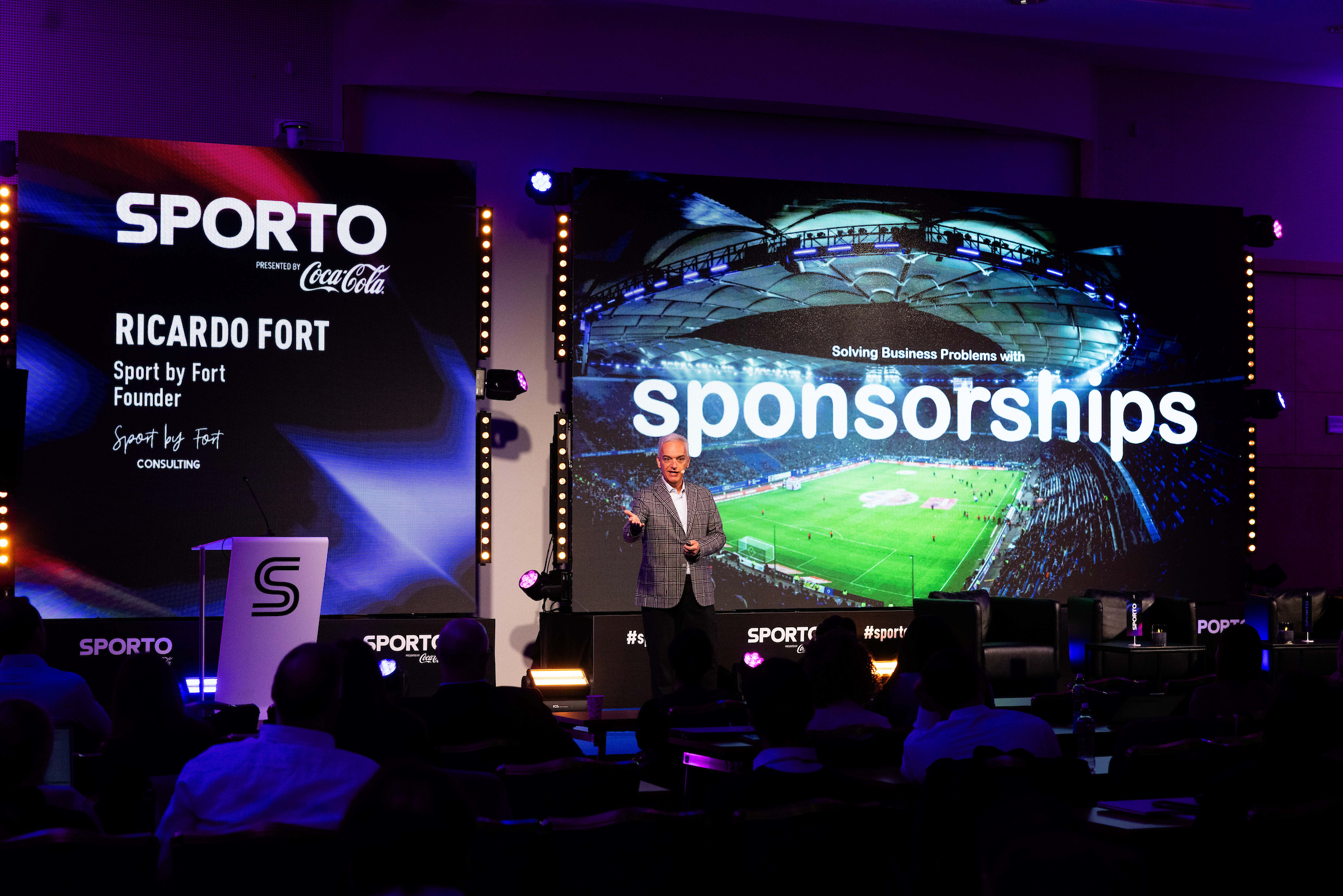
Ricardo Fort, founder of Sport by Fort, explained how sponsorships can address a wide range of business challenges across industries. While companies can solve problems without sponsorships, he argued they can solve them much faster and more efficiently with the right partnership. Fort shared examples from major brands in sport and entertainment, emphasizing that great sponsorships answer multiple business questions at once. He outlined 17 common challenges companies face—from increasing brand awareness to helping customers understand new technologies. Sponsorship can also boost product availability, improve brand experiences, and provide valuable content at a time when “content is getting expensive.” Strong partnerships can support client growth, deepen relationships, and offer access to performance data. Fort also stressed that sponsorships could help companies build strategic relationships, an opportunity often overlooked by marketing teams. Beyond commercial goals, sponsorships can support government relations, strengthen DE&I and sustainability efforts, and even help organisations navigate regulatory restrictions. They can also significantly improve employee engagement and retention. Fort encouraged brands and rights holders to aim for solutions that address as many business challenges as possible to maximize value for both sides.
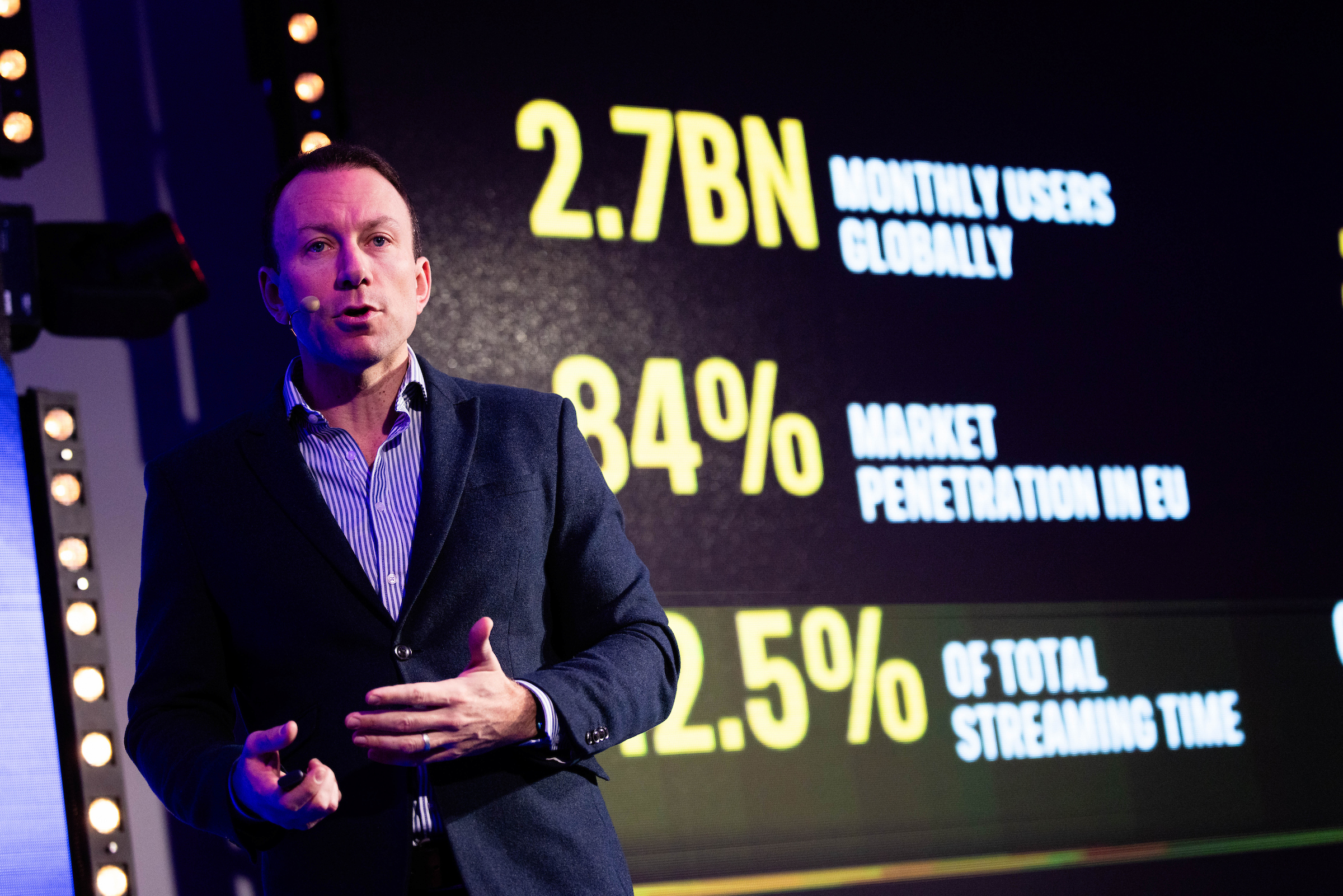
Pablo Dopico of Sportradar ad:s explained how emotional sports moments can significantly increase fan engagement and marketing impact. He highlighted Porsche’s “Nobody Is Perfect” campaign (from 1983!) as an example of how the right moment can capture massive attention. According to Dopico, “Sport is defined by moments, understood through emotions,” and brands that “own the moment” have the best chance of winning the fan. High-emotion moments act as a “supercharger” for engagement, yet reacting manually in real time has traditionally been costly, risky, and dependent on luck. New tools now allow brands to plan, activate, and optimize campaigns automatically around live sports moments—such as goals, red cards, victories, or any event that triggers strong emotions. Dopico explained that dynamic creative significantly improves outcomes by adapting ads instantly to what is happening on the field, court, or track. Data shows that engagement triples when brands activate around key sports moments. Success, he added, requires both real-time activation and a season-long strategy to build authenticity and credibility. He concluded that technology now enables brands to deliver more relevant, timely, and impactful campaigns that leave a lasting imprint in today’s attention economy.

Shaun Harvey, Club Director of Wrexham AFC, shared the remarkable journey behind Welcome to Wrexham and how it transformed the world’s third-oldest football club. Drawing on his 32 years of experience in football, Harvey explained that Wrexham’s story began long before Hollywood arrived. Rob McElhenney and Ryan Reynolds, despite having no previous connection to the club, fell in love with Wrexham and the community it represents. Their ownership created full-time, unscripted storytelling that resonated globally because the emotions, struggles, and ambitions were universally relatable. Harvey noted that the fanbase’s desire for positive change was a driving force behind the club’s revival, emphasizing that “you can get success out of failure” when the ambition to succeed is genuine. The club’s journey—full of setbacks, risks, and hope—became the heart of the docuseries. While football dictated the narrative, Wrexham used its moments to tell a meaningful story about community. Harvey concluded by showing how the club’s success demonstrates the power of authentic storytelling combined with ambition, visibility, and deep local roots.

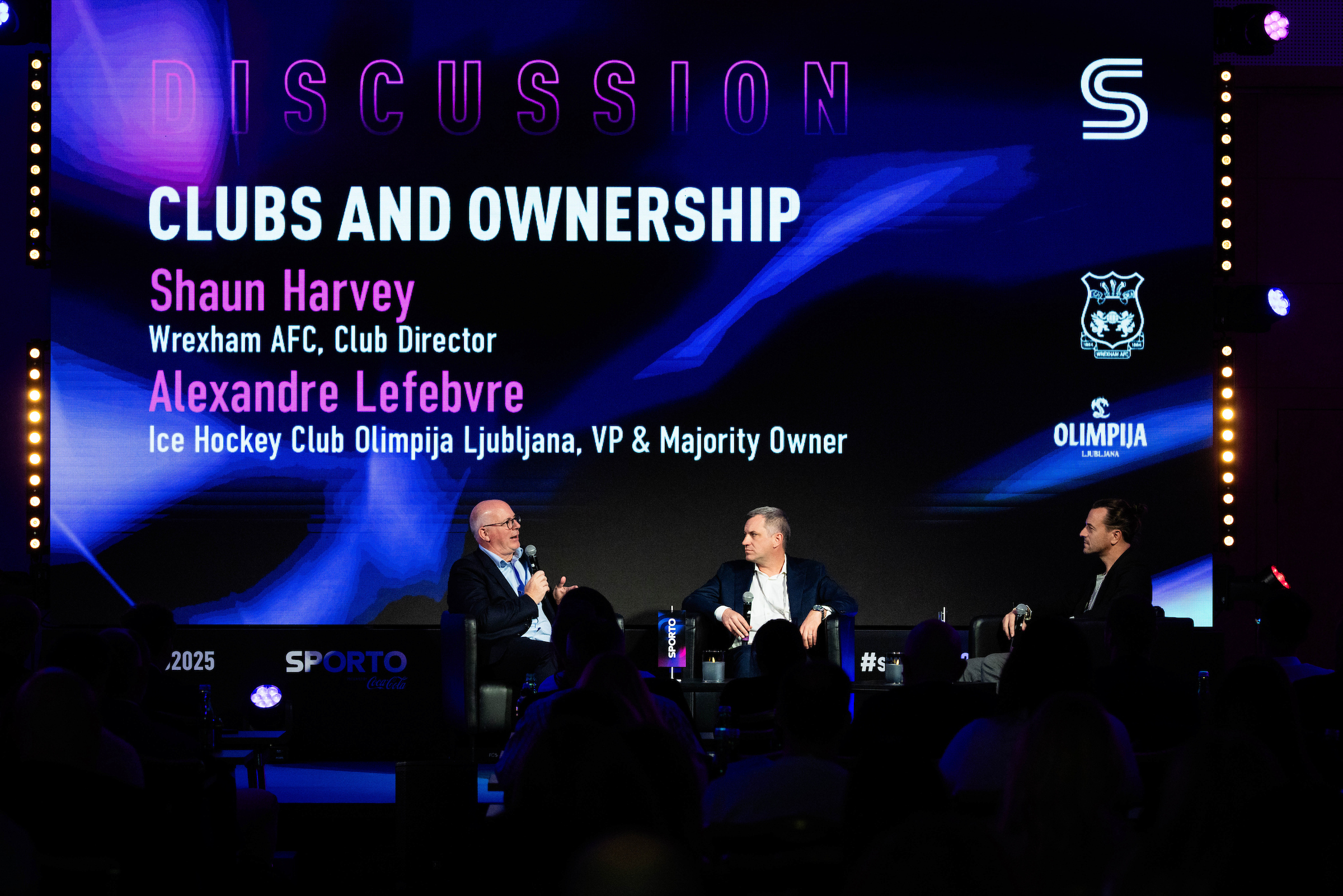
In a joint discussion, Shaun Harvey and Alexandre Lefebvre explored how ownership shapes a club’s identity, long-term strategy, and community connection. Harvey explained that every club has multiple layers, but its identity is ultimately defined by the matchday experience and the people in the stadium. Wrexham’s story works because the local fanbase remains at the core, even as global interest grows. Increased attention sometimes leads rivals to label Wrexham “Disney FC,” but Harvey noted this simply attempts to undermine a successful, authentic partnership. Lefebvre shared how his Slovenian family roots and passion for hockey inspired him to invest in Ice Hockey Club Olimpija. Modern fans, he said, expect more than sport—they want entertainment, atmosphere, and a full experience. Drawing from North American sports culture, Olimpija is upgrading its arena experience each season. Lefebvre also outlined the challenges of operating in Slovenia, where many sports compete for a small audience. Sporting success, both speakers argued, drives momentum, credibility, and sustainable growth. A club survives not because of owners alone but because “the fans and the community hold the club.”
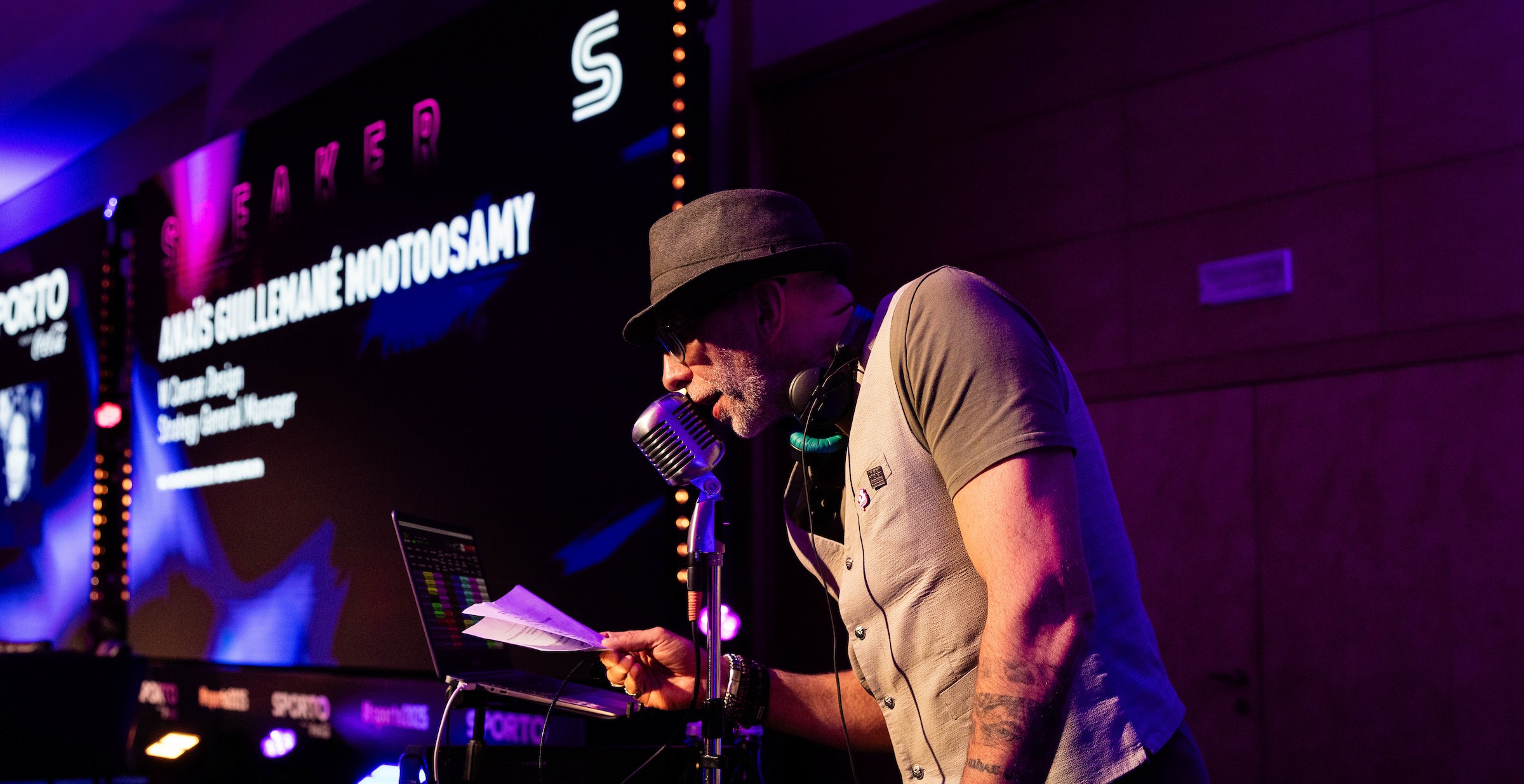
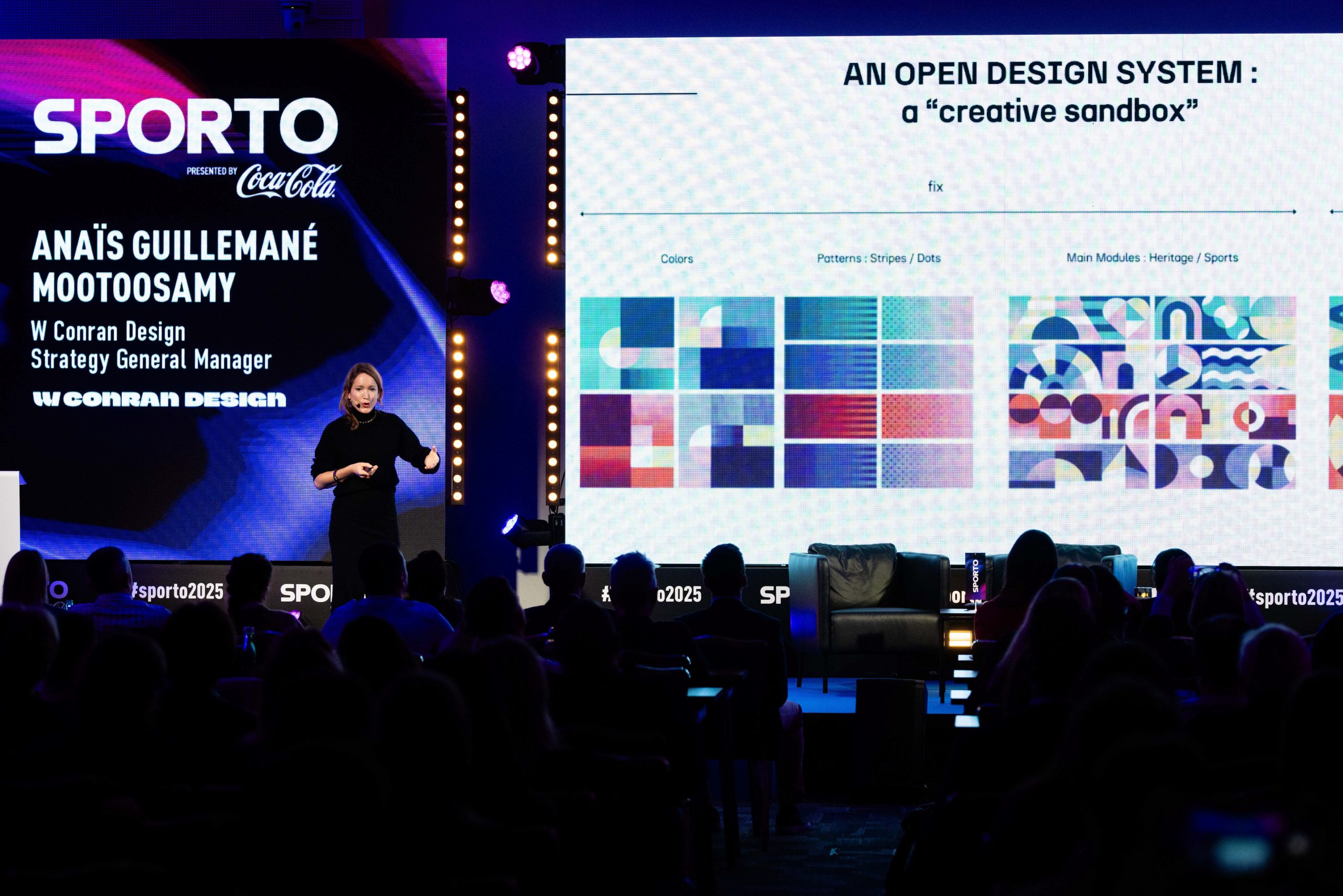
Anaïs Guillemané Mootoosamy, Strategy General Director at W Conran Design, explained how Paris 2024 demonstrated that a sports brand can evolve into a cultural brand through design and storytelling. Sport, she emphasized, has a unique power to unite people and create community beyond competition, making it an ideal platform for cultural impact. Instead of focusing solely on market share, her team aimed to capture a share of culture by defining a clear north star rooted in openness and inclusivity. They built a design system that broke conventions—replacing traditional postcard imagery with an open creative sandbox that enabled cities, venues, sponsors, and fans to co-create their own symbols. This democratized the brand and ensured that every element, from visual territories to pictograms, embodied the message of belonging. The mascot, the Phryge, became a cultural icon representing emancipation, imperfection, and disability inclusion for the first time in Olympic history. Its playful personality fuelled “Phryge-mania,” proving that values can be conveyed joyfully and with cultural relevance. Unexpected activations—such as the mascot appearing on jet skis or along the marathon route—helped Paris 2024 enter the real news cycle rather than remain confined to official Olympic moments. Results were striking; brand equity rose 37% compared with Tokyo, and the Games achieved a record 95% occupancy rate, driven by global curiosity and emotional engagement. Mootoosamy concluded that brands must overturn clichés, choose a universal truth to champion, and use design to infuse their values into every touchpoint.
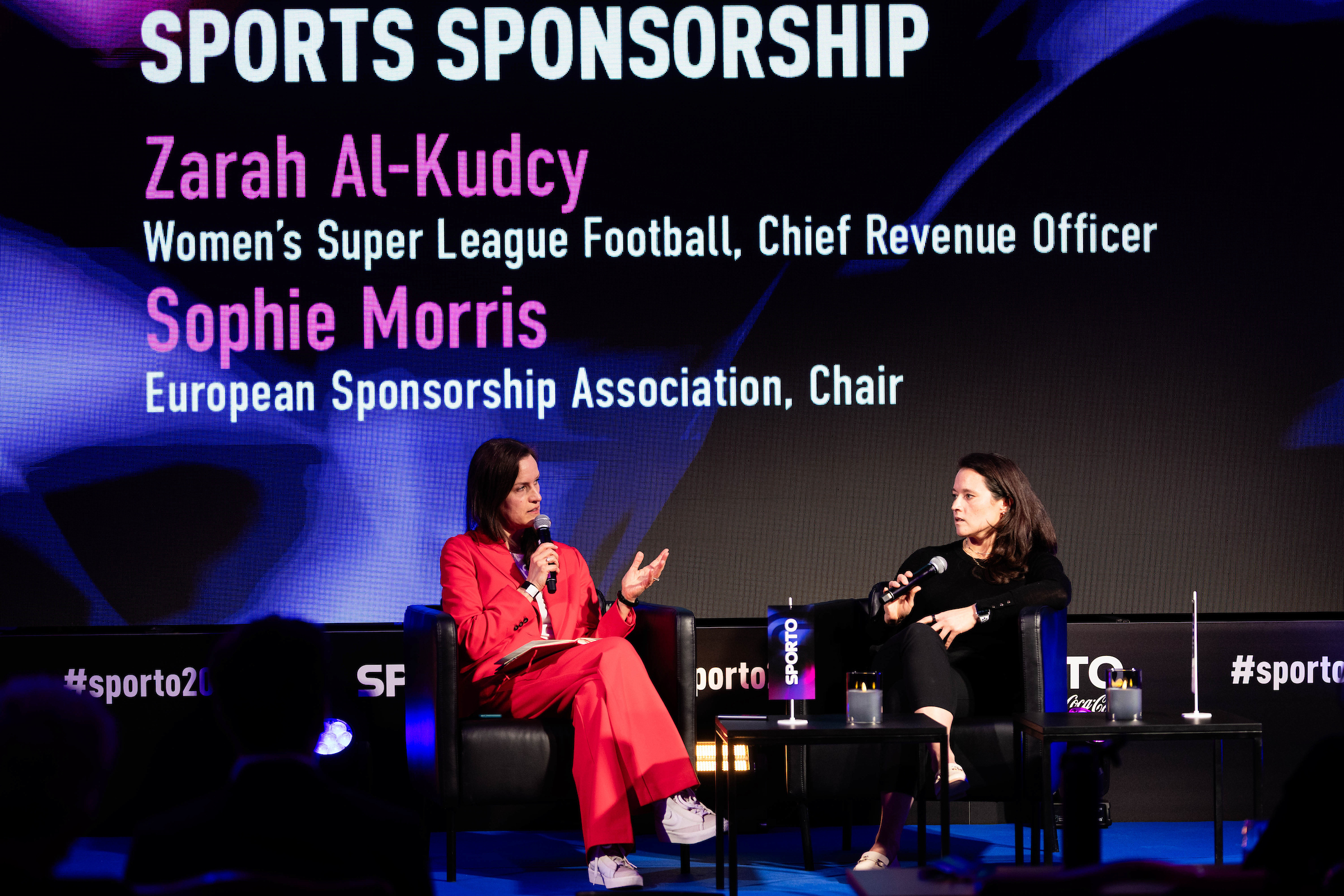
The session Funding the Future: Navigating the Growth Stage of Women’s Sports Sponsorship featured Zarah Al-Kudcy, Chief Revenue Officer of the Women’s Super League Football, and Sophie Morris, Chair of the European Sponsorship Association. The discussion highlighted the rapid growth of women’s football alongside structural challenges such as limited investment, gaps in data, and the need for robust measurement tools. More than 500 players from WSL now play a central role in engagement, acting as authentic marketing vehicles and helping cultivate a player-first fan base that is less tribal and more open to new brands. Sponsorship revenue has increased significantly, driven by authentic storytelling, engaging fan experiences, and new audiences—not just brand visibility. Partnerships increasingly include practical support for players, such as equipment provision, showing how meeting players’ needs enhances engagement and performance. The session also noted the rise of female-first brands and new sponsors entering women’s football for the first time. Long-term, purpose-driven partnerships focused on measurable engagement and social impact are being prioritised over short-term returns. Women’s football was described as a “sapling growing under the shadow of an oak tree,” requiring patient investment and belief. The speakers emphasized the importance of combining governance, storytelling, and data to demonstrate value and foster sustainable growth.
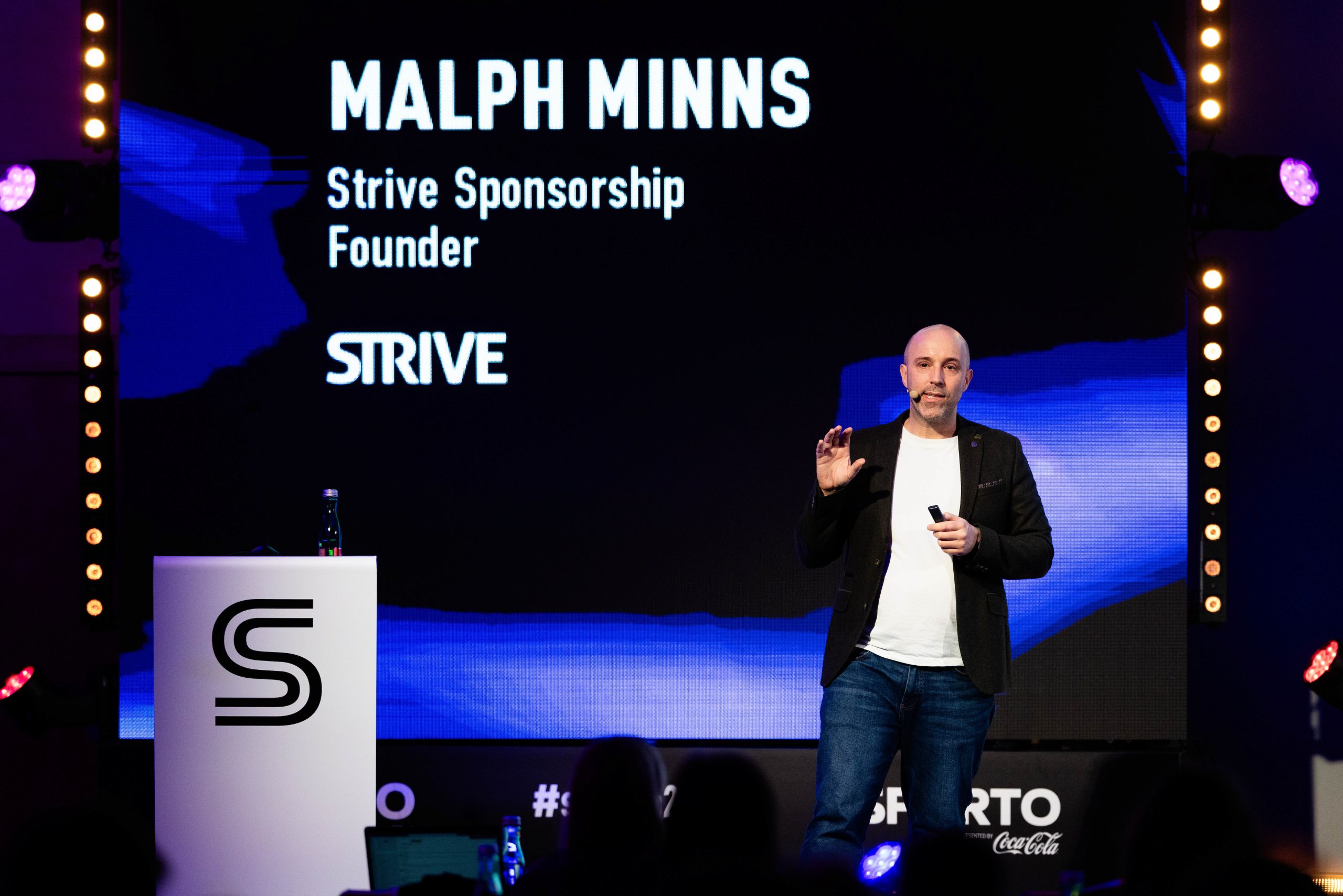
Malph Minns, Founder of Strive Sponsorship, presented Making the Business Case for Sponsorship: The Revenue Story Your CEO Wants to Hear. He focused on demonstrating the financial impact of sponsorships and how to build a compelling case for the C-suite. Minns highlighted increasing scrutiny on marketing budgets, noting that CMOs face pressure to justify brand investment against performance marketing, with sponsorship budgets particularly vulnerable. While sponsorship is used primarily to build brand value—five times more than for direct sales—it can still generate measurable revenue, with 73% of partnerships delivering tangible sales results. Effective measurement requires clean, anonymized data, often through “data clean rooms,” which combine rights-holder fan data with a brand’s customer data to optimize targeting and assess business impact. This approach allows precise evaluation of customer acquisition, loyalty, lifetime value, and engagement, with examples including 1,707 fans converted into customers and 2,801 fans rebooking within ten months. Minns emphasized that although sponsorship is not perfect, data-driven methods enable brands to quantify revenue contribution, strengthen partnerships, and demonstrate the value of fan engagement for both short- and long-term outcomes.
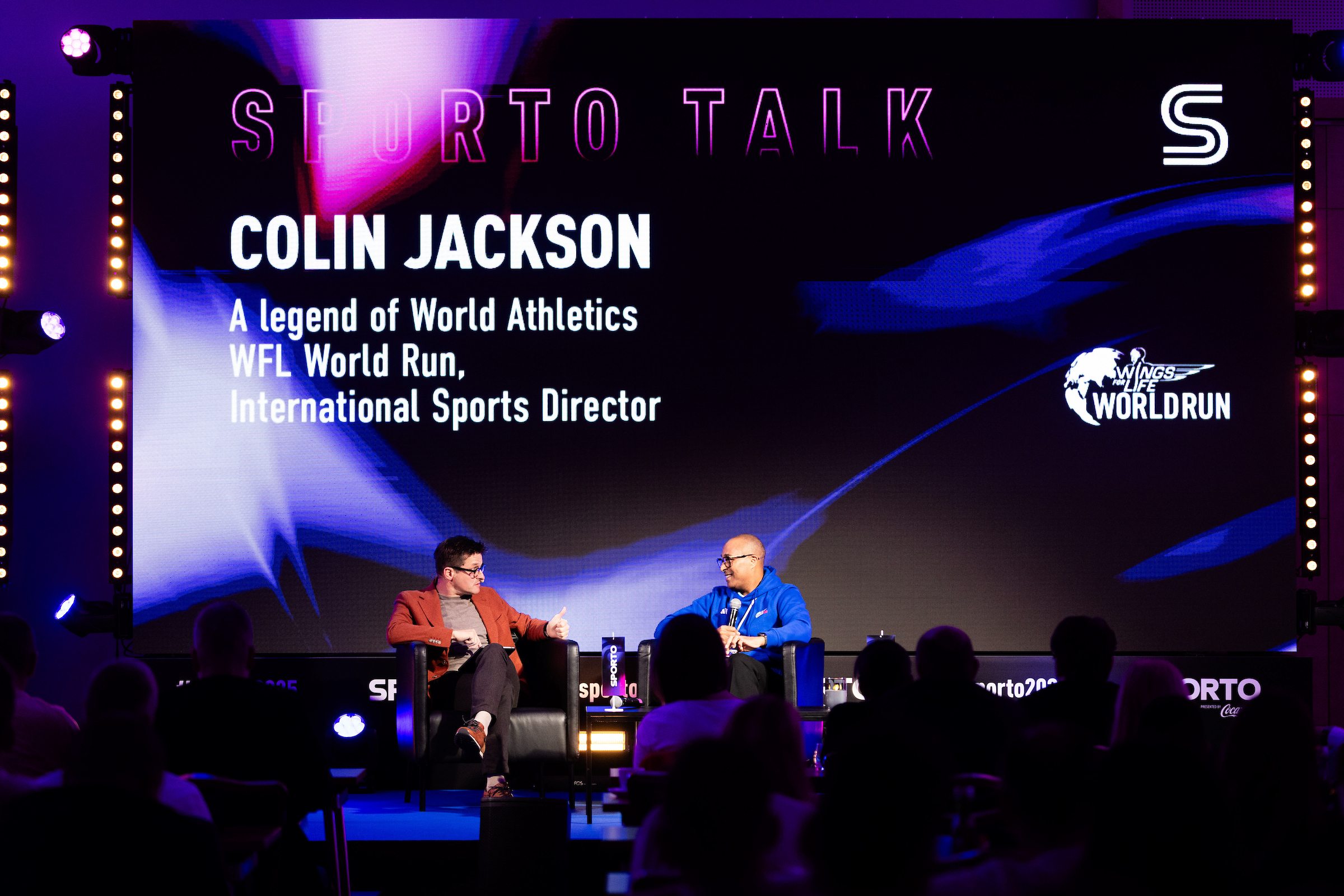
Colin Jackson, special guest of the conference, shared insights from his illustrious athletics career and his role as International Sports Director of the Wings for Life World Run, an event raising funds for spinal cord injury research. The run unites participants globally, blending sport with social impact. Jackson recounted early choices in his athletic journey, explaining that while he could have pursued cricket, athletics was closer to home and allowed him to balance training with other interests. He represented Great Britain from a young age, broke world records in the 110m and 60m hurdles, and won 44 consecutive races. Although world records were the ultimate measure of performance, many of his proudest achievements came from fulfilling the trust of his coach rather than personal glory. Jackson emphasized respect and the power of storytelling, highlighting the importance of passing on experiences as both an athlete and a coach. His reflections illustrated the discipline, strategy, and emotional intelligence required to excel, as well as the broader impact athletes can have beyond competition. He also offered insights from his work as an athletics commentator and his view of the evolving media industry. On stage, he was joined by Nino Batagelj, the Wings for Life World Run Ambassador in Slovenia, whose life path changed after a dive into the water.
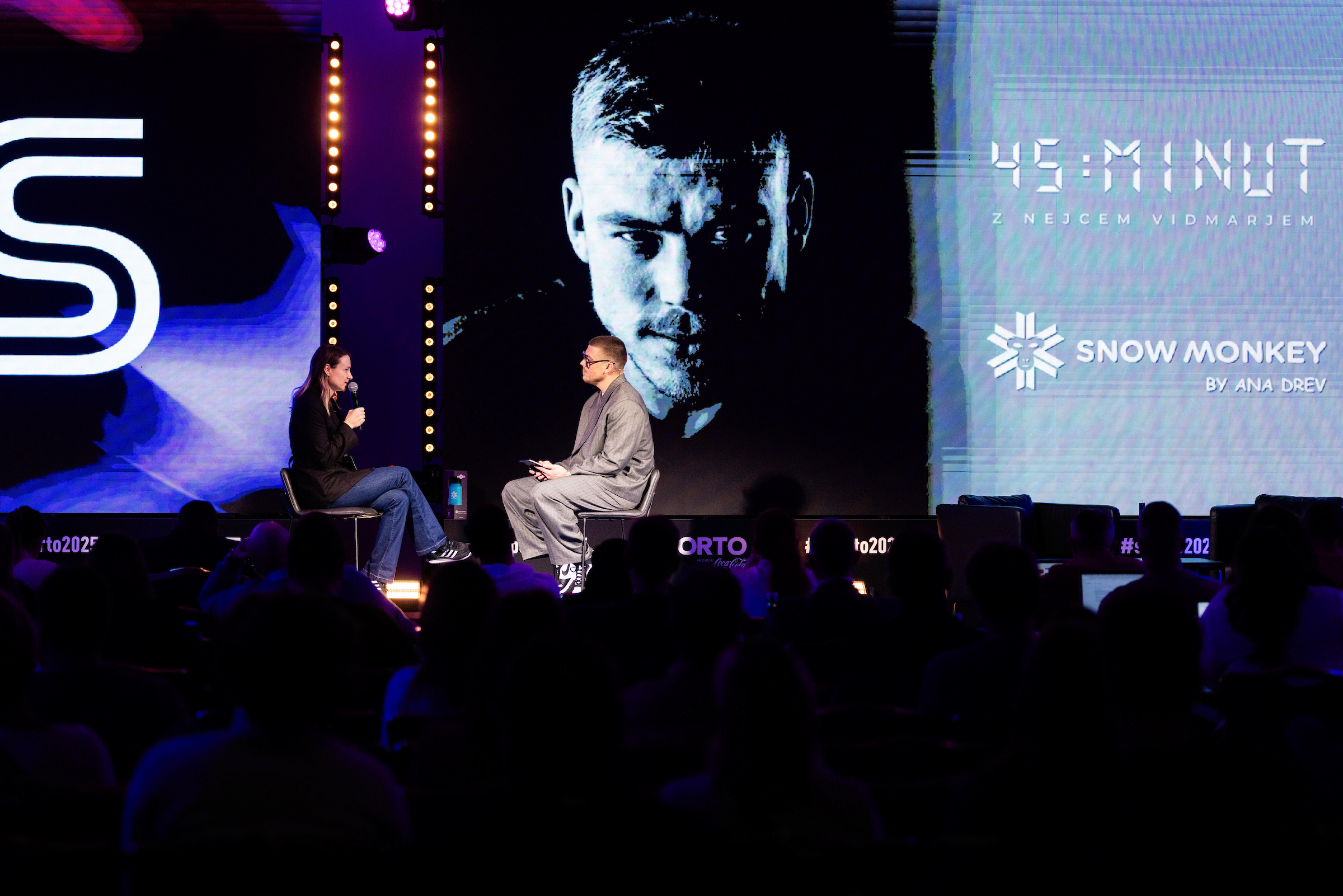
SPORTO Edition of the show 45 Minutes with Nejc Vidmar featured Ana Drev, former Slovenian alpine ski racer and founder of the sustainable bottle brand Snow Monkey. She recalled competing at the 2006 Winter Olympics in Torino, where two solid runs—one strong, one less so—gave her the belief that she belonged on the world stage. Drev spoke openly about the impact of three major knee injuries, noting that injuries are often the hardest part of an athlete’s career and can change its entire trajectory. Ten months before the Sochi Olympics, another injury forced her to sit out, creating a difficult emotional setback. A later trip to Japan, where she encountered the famous snow monkeys, inspired the name of her future company. She shared cherished memories of racing in Maribor, where the passionate crowd helped fuel her best seasons. Those successful years became the foundation for Snow Monkey, which she launched in 2011 with a simple white thermal bottle designed for athletes. After retiring from sport in 2017, Drev faced the challenge of building a business without marketing experience, relying on “learning by doing,” even when mistakes were discouraging. Today, Snow Monkey is on track to surpass €1 million in revenue in 2024, with steady growth driven by a small but dedicated team. Drev noted that product development remains her greatest passion, fuelled by the same perfectionism she carried as an athlete.
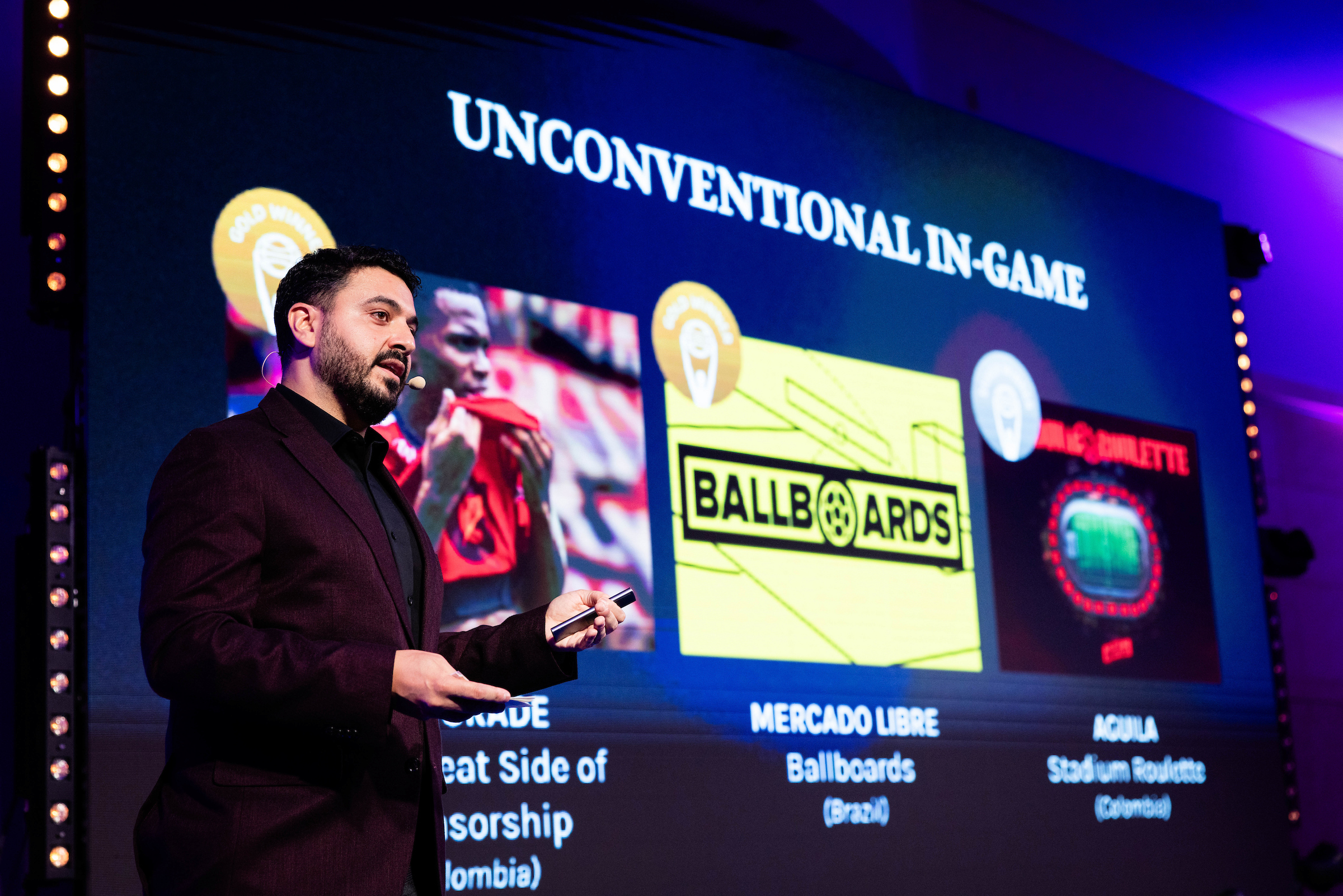
In Going for the Gold: Global Marketing Trends and Insights from Clio Sports, Executive Director Maher Labban presented the world’s most innovative and impactful sports marketing ideas. He explained that Clio Sports celebrates bold creativity that inspires audiences today and shapes the stories of tomorrow. Labban highlighted the goal of providing attendees with great ideas, fresh perspectives, and renewed inspiration. Clio Sports recognizes the best creative work globally, offering a valuable lens for identifying emerging trends. Labban outlined eight major trends shaping sports marketing today: the rapid rise of women’s sports; increasing focus on accessibility and inclusion; the embrace of cultural pride; unconventional in-game experiences; using in-game moments to support social causes; harnessing passion and fandom as storytelling tools; the growing role of tech innovation; and the enduring power of simple, well-executed ideas. These trends, he argued, point to a future where creativity remains the industry’s most valuable asset.
In From Game to Story: The Future of Sports Content, Sha Rasti, Executive Director for Sports Partnerships at OMD EMEA (he oversees Apple’s sports partnerships strategy across the EMEA region), explored how sports storytelling is evolving toward 2030. With 15 years of experience in major sports partnerships, Rasti described how technology and new media habits are reshaping the landscape. He emphasized Apple’s leading role, noting that the company’s investment in sports ensures unmatched presence, consistency, and cultural impact. Apple’s ecosystem, he explained, creates opportunities for dynamic, real-time, and emotionally resonant sports content across platforms. Data analytics and continuous fan feedback increasingly guide decision-making and improve performance. Rasti also highlighted Apple’s commitment to equitable access in sport, citing its recent partnership with the Women’s Super League to provide advanced performance technology across 24 professional teams. This type of collaboration, he said, reshapes not only performance analysis but also the stories that can be told around athletes and clubs. As the line between live sport and entertainment continues to blur, technology is creating new ways to experience emotion, tension, and connection. Rasti concluded that the future of sports content lies in turning the game into a story—powered by innovation, emotion, and meaningful fan engagement.

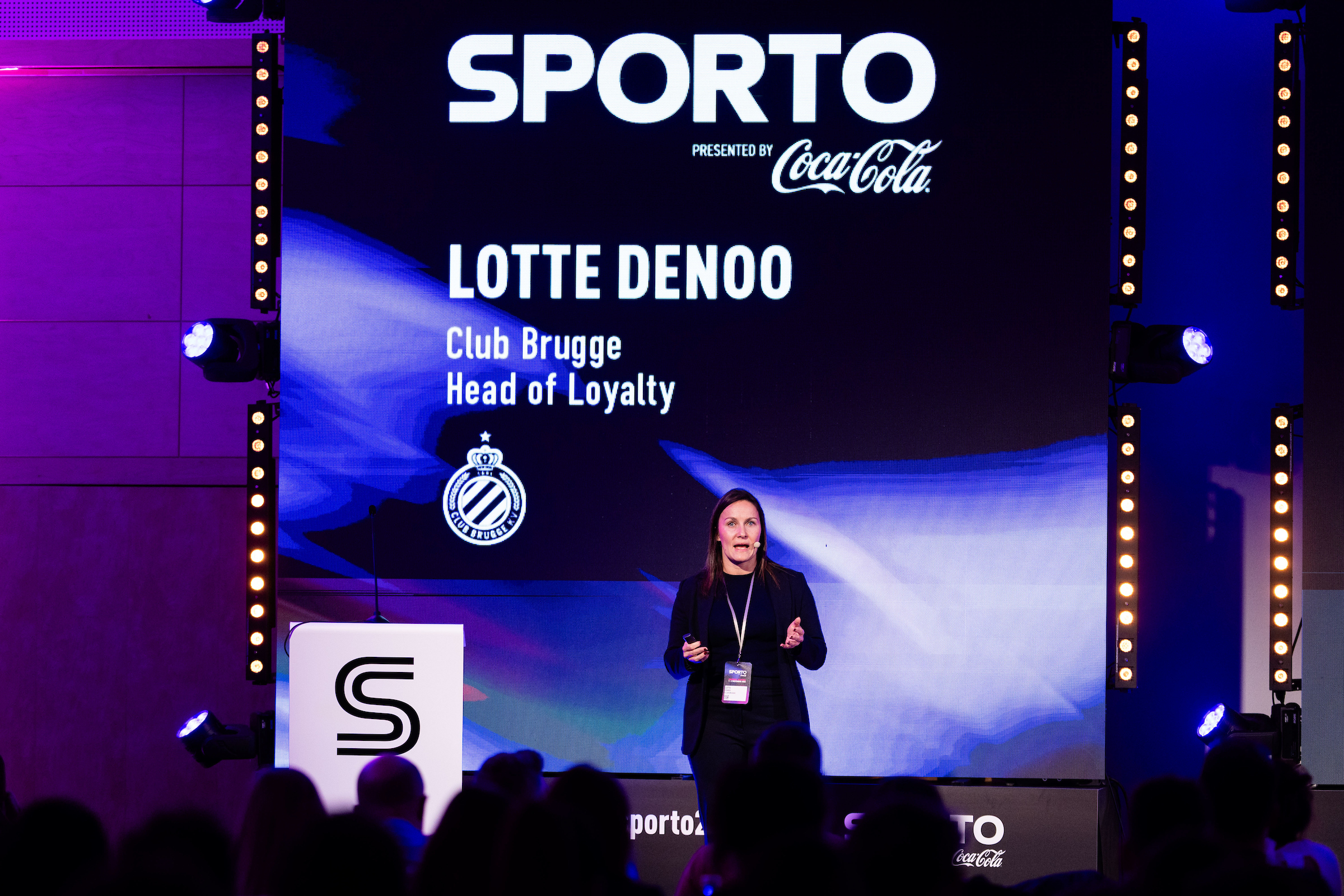
Redefining Loyalty: How Behaviour Shapes the Club Brugge Fan Ecosystem, presented by Lotte Denoo, Head of Loyalty at Club Brugge, outlined how the club is reshaping fan engagement through behaviour-driven rewards. Drawing on her background as a former athlete and a decade at the club, she described how starting in the ticketing office helped her understand what fans wanted and how they felt. Fans often felt under-rewarded, which inspired the creation of a deeper sense of belonging through a new loyalty model. The system connects fan behaviour with tangible rewards through the Club ID, the Club app, and the Club Pay card. Fans earn points for attending matches, buying tickets, making purchases, voting for player of the match, arriving early, or participating in events. Denoo highlighted major improvements in attendance consistency and the increase in released and resold seats after introducing the Gold ID level, which requires 90% attendance or releasing a seat via the app. The programme also aims to activate the club’s broader base of one million sympathizers by allowing every fan to earn points through daily interaction. To reward this wider community, Club Brugge introduced Club Pay, where purchases generate cashback when used with partner brands and return value to the club when used elsewhere. Partnerships require substantial investment, Denoo noted, but provide access to a highly loyal audience that brands value. Principle—“fans pay, we reward”—ensures that every positive action earns points within the ecosystem. Ultimately, the goal is to build pride, connection, and long-term engagement by turning everyday behaviour into meaningful loyalty that strengthens the bond between club and supporters
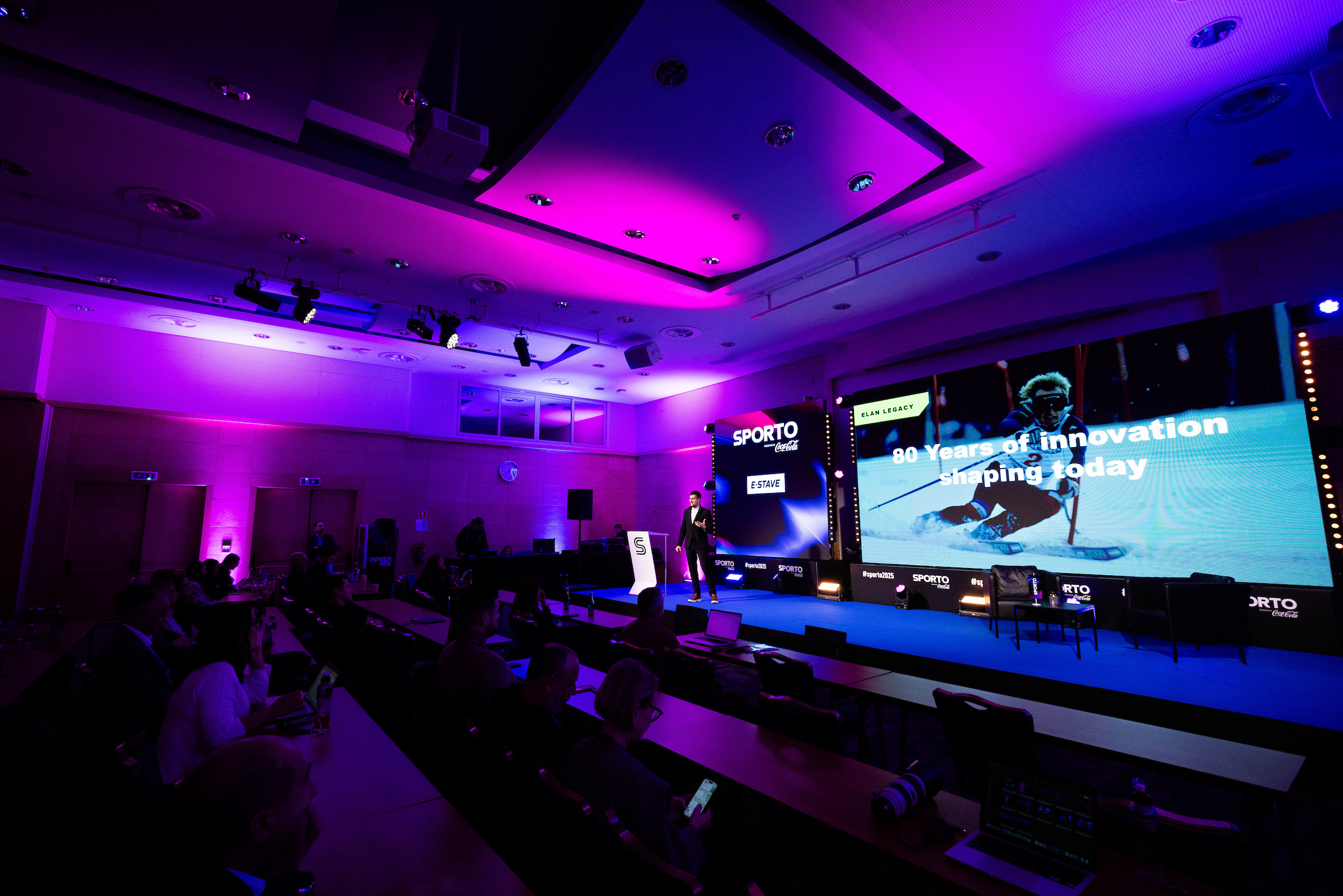
From Firsts to Future: Reinventing a Mountain Brand, presented by Domen Gaiman, Global Head of Marketing at Elan, showcased how the iconic Slovenian ski brand continues to evolve while honouring its 80-year legacy of innovation. Gaiman spoke about Elan’s signature green colour—symbolic of the mountains and the spirit of longing—and emphasized the importance of leaving assumptions at the door to stay creative. Founded in 1945, Elan now employs around 400 people and reached €70 million in revenue in 2023. Its promise is simple: to make exceptional skis under the motto “Always Good Times.” Gaiman highlighted Elan’s historic SCX innovation from 1993, which introduced carving skiing and transformed the sport. Their mission remains helping people become better skiers through pioneering design, proven performance, and skis built in the heart of the Slovenian Alps. To validate performance, Elan partnered with CARV, where demo team member Vid Baruca broke his personal Ski IQ record—168 on the new ACE model compared with 152 on the previous one—demonstrating the measurable impact of innovation. The upcoming ACE skis, positioned as carving 2.0 for 2026, are designed to grip snow like an active suspension system in a race car, balancing speed, precision, and accessibility. Gaiman highlighted the importance of data-backed communication to build trust and show the real value behind product claims. He shared his philosophy of using AI to eliminate tedious tasks so teams can focus on creativity, development, and passion. In closing, he emphasized four principles—know your why, keep things simple, innovate boldly, and live the brand—explaining that working at Elan is most meaningful when one genuinely lives for the mountains and the sport.
In the SPORTO Talk closing session, Emil Tedeschi, President of Cedevita Olimpija and Chairman of Atlantic Grupa, discussed the intersection of sports and business, leadership, and building successful organisations. The conversation explored differences between managing a sports team and running a corporation, noting that sports leadership requires adaptability and the ability to balance daily operations with long-term strategy. Tedeschi highlighted the importance of a strong fan base, citing the passionate support in Belgrade during the 2014 Adriatic Basketball League semi-final as evidence of how fans shape a club’s culture and success. He contrasted the clear structures of corporations with the constant adaptation required in sport to maintain performance and organisational sustainability. Reflecting on the 2016 merger that created Cedevita Olimpija, he explained how the club preserved the identities of both predecessor teams while building a Slovenian-based professional organisation, even through challenges such as Covid-19. He also spoke about the potential of sports brands, comparing the development of a European basketball brand with cultivating global icons like Luka Dončić, and drawing parallels to managing corporate brands such as Argeta and Barcaffe. The session underscored the balance between investment, governance, fan engagement, and professionalism. Tedeschi closed with a philosophy of legacy: “We have only one life. One time, my idea is to leave someone behind,” reflecting his commitment to building a sustainable sports organisation in Slovenia with ambitions to become one of Europe’s best small clubs.